
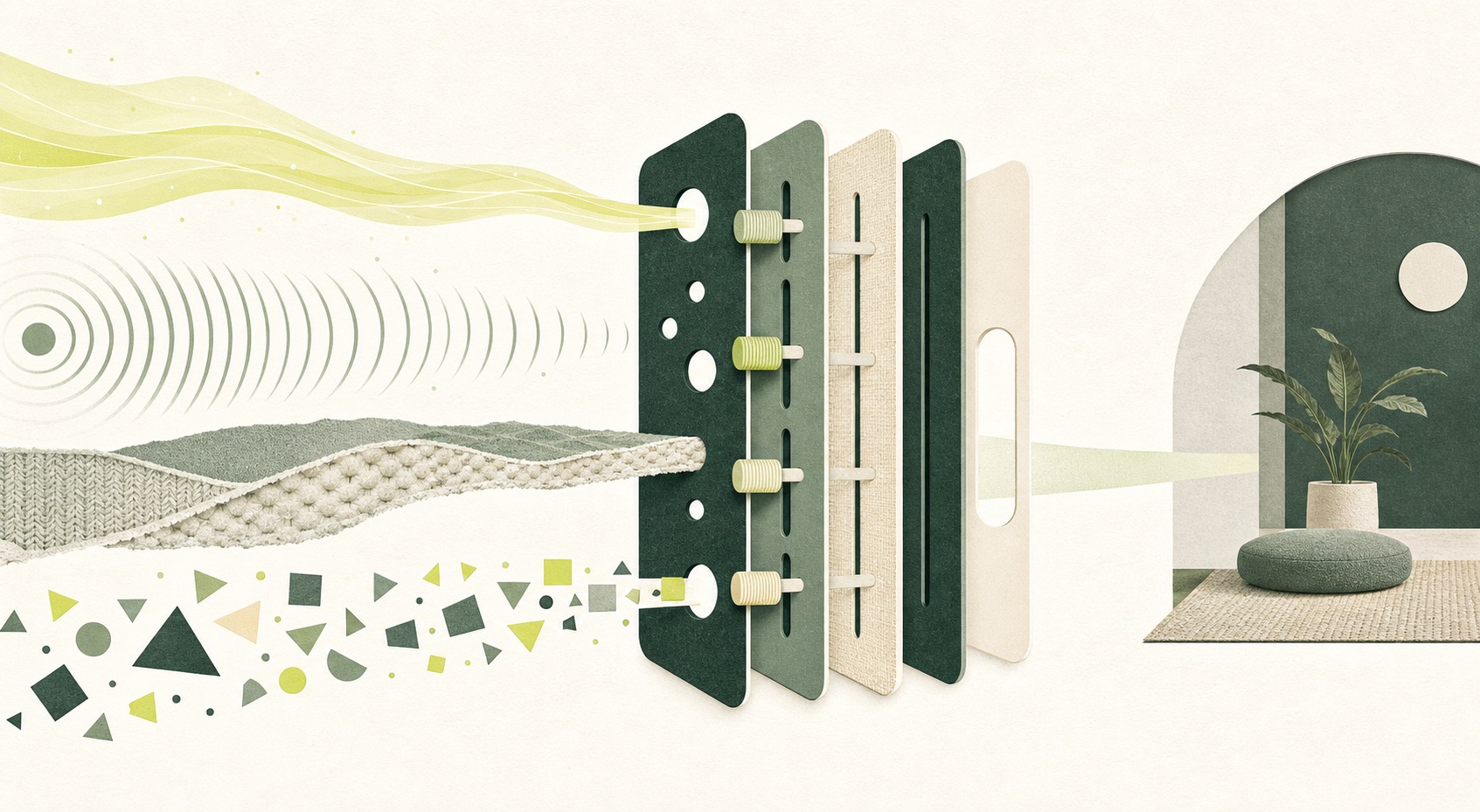
Sensory load is more than sound
People can process sensory information differently. Load may come from sound, light, touch, smell, movement, internal body signals, social demands, or several inputs arriving together. Sensory overwhelm is often discussed in relation to autism, but an article cannot determine why a particular person is experiencing it.
The practical starting point is to describe the environment and the response, not to diagnose the cause.
Build a five-column load map
- Setting: Where and when does the overload build?
- Inputs: Which sounds, lights, textures, movement, smells, or social demands are present?
- Early signals: What changes first—speech, tension, irritability, focus, breathing, or the urge to leave?
- Reduction: What is the smallest input you can lower, block, delay, or leave?
- Recovery: What environment helps you return to baseline afterward?

Reduce the environment before demanding more effort
- Move away from overlapping conversations or mechanical noise.
- Reduce brightness, visual motion, or screen notifications.
- Choose clothing, seating, or tools that reduce irritating touch.
- Schedule a low-input transition after travel, shopping, meetings, or crowded events.
- Share agreed triggers and support actions with people involved when it is safe and useful.
Keep the plan individual
A strategy that calms one person may increase load for another. Test one change at a time and record whether it helped. Avoid forcing exposure or removing a coping strategy simply because it looks unusual, especially without appropriate professional guidance.
Know the boundary of a self-help guide
New, severe, painful, or rapidly changing sensory symptoms can have medical or environmental causes. Seek qualified advice when symptoms affect safety, nutrition, sleep, work, or basic daily functioning, or when you are unsure what is causing them.
Sources and further reading
Sources support the health and diagnostic context. Practical workflow suggestions are low-risk editorial adaptations, not clinical treatment.